NBA Betting: How to Win Big on NBA Games and Understand the Odds
When you bet on the NBA betting, the practice of placing wagers on National Basketball Association games, including point spreads, moneylines, and over/under totals. Also known as basketball gambling, it’s not just about picking winners—it’s about reading matchups, injuries, and how teams perform under pressure. Millions of fans do it every night, not just for fun, but because they’ve learned how to spot value before the tip-off.
Successful NBA betting doesn’t come from cheering for your favorite team. It comes from knowing how the betting odds, the numbers set by sportsbooks that show the probability of an outcome and how much you can win work. For example, when the Lakers are -6.5 against the Blazers, that’s not just a guess—it’s based on home court advantage, recent form, and player availability. You don’t need to be a statistician, but you do need to check who’s injured, how teams play in back-to-back games, and whether a team tends to cover spreads on the road. The NBA teams, the 30 professional basketball franchises that compete in the NBA, each with distinct styles, coaching philosophies, and roster dynamics aren’t all the same. Some teams, like the Warriors or Celtics, thrive in close games. Others, like the Pistons or Hornets, often blow leads in the fourth quarter. That’s where the edge is.
Most people lose because they chase losses or bet on hype. The smart ones wait. They watch how a team responds after a big win, or how a coach adjusts when trailing by 15. They know that a team with a weak bench might cover a 4-point spread at home but collapse on the road. They track line movement—when the odds shift from -5 to -7, something’s changing behind the scenes. Maybe a key player got hurt. Maybe the public is betting too heavily one way. That’s your signal to look the other way.
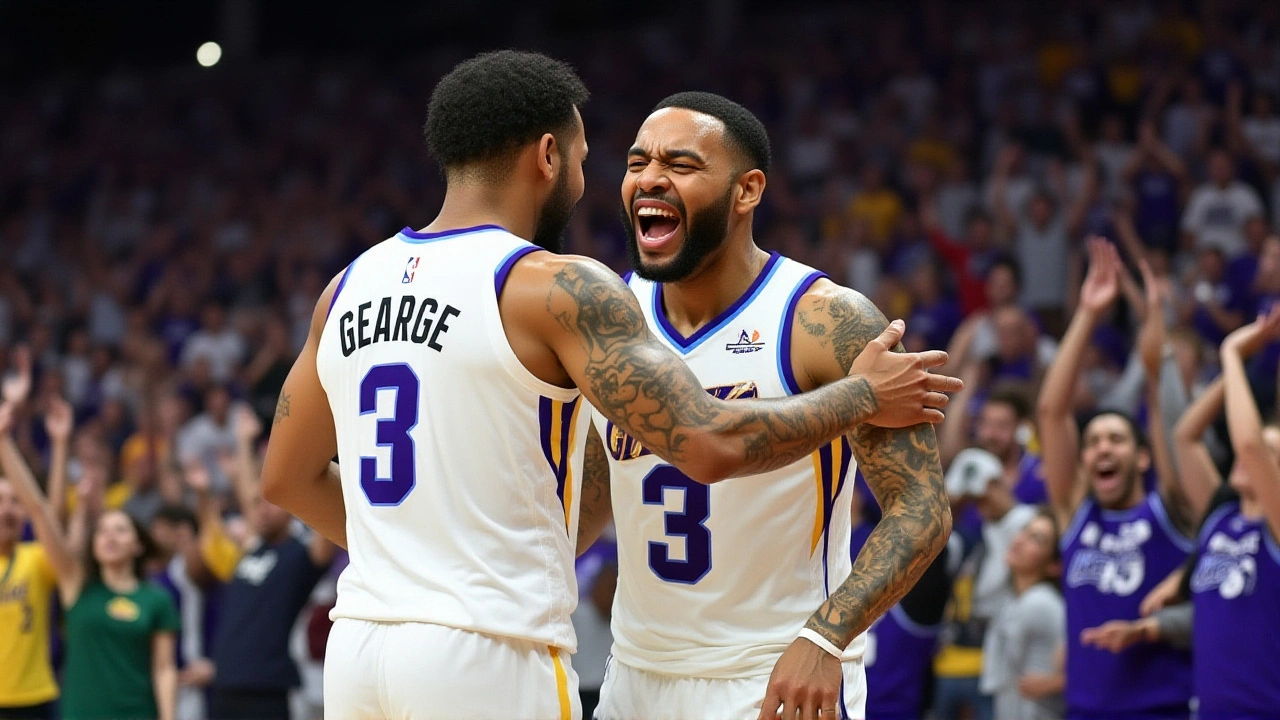
You’ll find real examples below—like the Lakers covering as underdogs against Portland, or how teams like Memphis and Denver consistently beat expectations. These aren’t flukes. They’re patterns. And if you learn to see them, you’re not gambling—you’re making informed choices. Whether you’re new to this or just want to stop losing money, the articles here show you exactly what works, what doesn’t, and why.