
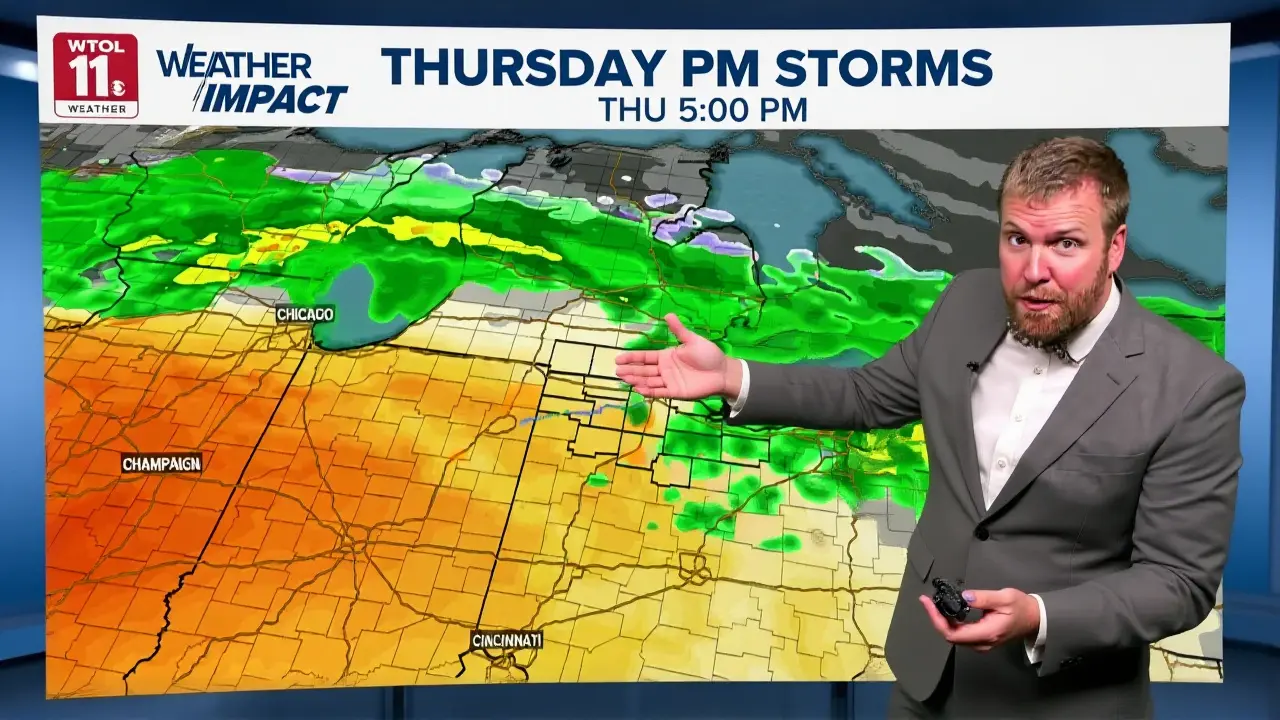
There is something about the air when the calendar finally clicks over to April—even if technically it’s still March. Chris Vickers, Chief Meteorologist for WTOL 11 News, confirmed the latest models this morning showing a distinct shift in the seasonal rhythm. Friday, March 21, 2026, marks the first official day of spring, and locally, the weather agrees with the almanac.
Here is the thing most folks in Northwest Ohio want to know right now: Is winter actually done? The immediate answer appears to be yes, at least for the weekend. Thursday night brought a surprisingly mild chill, setting the stage for warmer days ahead. But as Vickers pointed out during the broadcast, “early spring energy can be deceptive.” The system moving through isn’t just warm; it carries moisture that could trigger brief showers by Sunday.
The Seasonal Shift
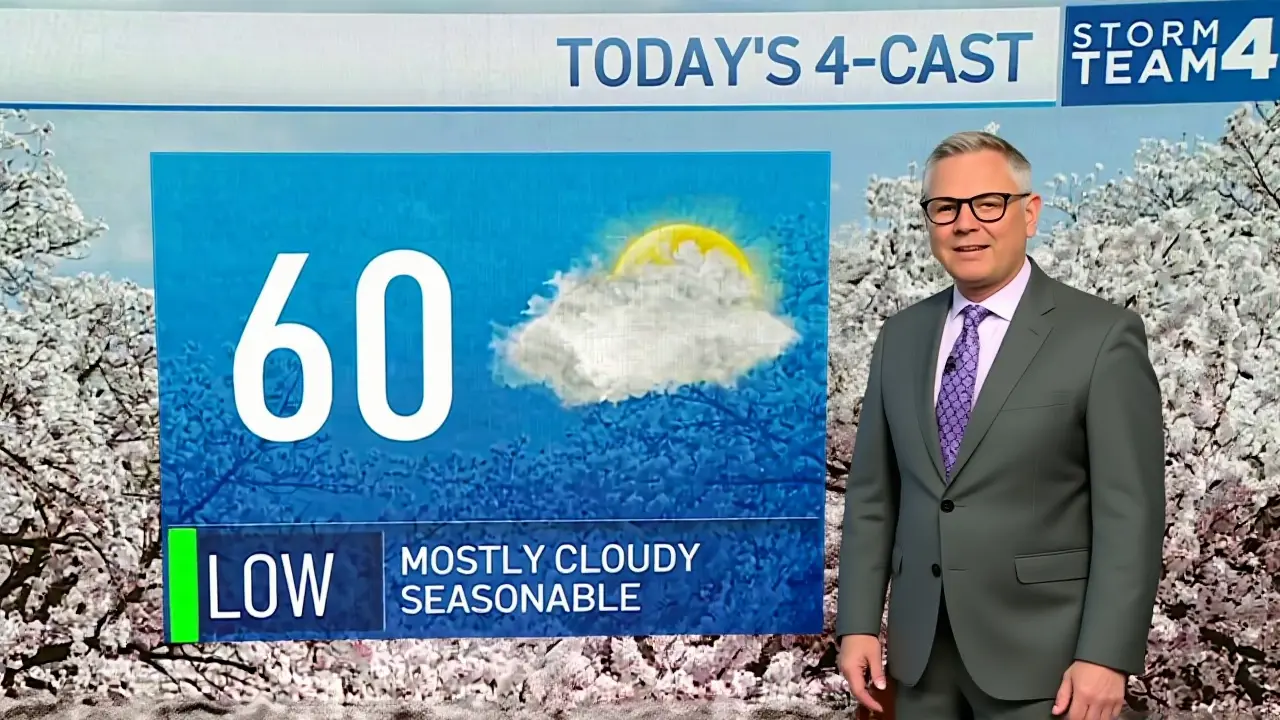
Historical data from Toledo shows average high temperatures on the vernal equinox hover around 52 degrees Fahrenheit. This year looks different. The forecast suggests highs climbing into the mid-60s. That is a notable deviation from the norm. For gardeners checking their frost-free dates, this warmth offers a tantalizing window, though patience is still required.
Turns out, the atmosphere isn’t quite ready to hand over control completely. The jet stream remains wobbly. We are tracking a low-pressure system that stalled off the coast last week, pushing milder air northward. It creates a comfortable backdrop for outdoor activities, unlike the biting winds we saw three weeks ago. Residents stepping out for evening walks should notice the light changing too. Days are noticeably longer now, adding critical daylight hours compared to February.
What to Expect This Weekend
The weekend brings some complexity. While the heat indices rise, instability increases. National Weather Service models indicate a ridge building over the Great Lakes region. This typically keeps severe weather at bay, but localized thunder is always a risk in late March. Vickers advises monitoring afternoon sky conditions closely. Pop-ups happen fast.
Rainfall amounts remain uncertain. Precipitation models vary between scattered showers and dry conditions. We expect less than half an inch if clouds break apart. Soil saturation is already high from winter snowmelt, so heavy downpours would cause runoff issues on local roads. Commuters in Ottawa County and surrounding suburbs should keep windshield fluid stocked just in case.
Community and Expert Reaction
Local residents have mixed feelings about the warming trend. Some welcome the chance to shake off winter coats permanently. Others worry about the sudden switch causing cold snaps later in the month. Long-term climate trends show March becoming increasingly volatile in this region. Experts link this to shifting global wind patterns affecting the continental interior.
Agricultural leaders are watching soil temperatures. Planting decisions depend heavily on ground warmth, not just air temperature. If the ground stays below 50 degrees, seeds sit dormant regardless of the sunny sky above. Farmers in Sandusky and Erie counties are waiting for confirmation before committing crops to the field. It’s a delicate balance between lost planting days and frost damage risk.
Looking Ahead
What comes after Friday? Models suggest a cooling trend starting Monday. Temperatures will dip back toward normal levels. This seesaw effect is classic for early spring. We aren’t seeing sustained stability until late April. That said, the arrival of the equinox signals the psychological start of the season. The longer days help people mentally transition away from winter routines.
Keep an eye on allergy counts too. Pollen levels spike dramatically once temperatures hit 60 consistently. Health departments track ragweed and tree pollen closely during this period. If you suffer from seasonal sensitivities, prepare your medication stock now. The bloom cycle accelerates faster than many expect.

Why Spring Forecasts Matter
Understanding these transitions helps communities manage infrastructure costs. Ice dams form less frequently once temps stabilize. Energy consumption drops naturally as heating demand reduces. However, storm preparedness doesn’t stop just because snow melts. Flooding potential increases as frozen ground absorbs rain poorly.
Data collection continues throughout the season. Accurate historical records help meteorologists refine long-range models. Every measurement contributes to better accuracy years down the road. It sounds small, but every degree tracked adds up to safer planning for everyone living here.
Frequently Asked Questions
Is Friday officially the first day of spring?
Yes, the astronomical vernal equinox occurs on March 21, 2026. This marks the moment when day and night are nearly equal in length globally, signaling the start of the astronomical spring season.
Will there be severe storms this weekend?
Severe weather is unlikely given current ridges, but scattered showers remain possible. Meteorologists recommend monitoring radar updates for any quick changes in barometric pressure during afternoon hours.
When can I safely plant my garden?
Gardeners should wait until soil temperatures consistently exceed 50 degrees, usually mid-to-late April. Air temperatures alone are misleading; ground warmth determines seed germination success rates.
Who provides the local weather coverage?
WTOL 11 Chief Meteorologist Chris Vickers leads the team covering Northwest Ohio conditions. They coordinate with the National Weather Service for official advisories and safety alerts.






Jane Roams Free March 27, 2026
It is really nice to see the forecast shifting toward something warmer finally. The winter months were quite long this year for everyone in the area. I hope we can enjoy some walks outside without needing layers of heavy clothing. The change in daylight hours definitely helps boost our spirits too. It is always good to hear the experts confirm the seasonal transition officially.
Jullien Marie Plantinos March 29, 2026
This is absolute nonsense!! The models are constantly wrong about the temperature swings! We saw a cold snap last week and now they say spring is here! You cannot trust these numbers at all! The jet stream is unstable and we know it! People need to wake up to the reality of the situation! There is no such thing as guaranteed warmth this early in the season!
Jason Davis March 30, 2026
I totally get the frustration wth the wether predictions though. Sometimes the air temp goes up but the ground stays cold as ice. Just rember to check your soil meters before putting seeds in. Its easy to get too excited about sunny skies but the roots dont care. Keep an eye on those overnight lows for the next coupla weeks. Stay safe out there folks.
Crystal Zárifa March 31, 2026
Sure spring is arriving early but lets not hold our breaths. Nature loves to pull these tricks on us for dramatic effect. The equinox is symbolic anyway but the actual vibe takes time.
Serena May April 1, 2026
You are clearly overreacting to the weather reports 🙄.
Cheryl Jonah April 1, 2026
Why do they think we believe the official models completely? They are tweaking the sensors right after the equinox dates change. Something fishy is going on with the cloud cover data too.
James Otundo April 1, 2026
The atmosphere today feels suffocatingly heavy despite the claims of mildness.
We are told to be grateful for the warming trend while ignoring the underlying instability.
It is fascinating how meteorologists dance around the truth of climate volatility.
I remember winters when the snow actually stayed put instead of melting into slush.
Now we get these fake springs that collapse under their own weight.
People rush to garden without thinking about the consequences of a late freeze.
They destroy the soil structure by working it before it is truly ready.
It displays a lack of patience that is endemic to modern culture.
My ancestors did not plant until the earth was warm enough to sustain life.
We have forgotten the respect owed to the changing seasons.
The news report suggests caution but fails to emphasize the danger sufficiently.
A single degree of frost could ruin everything they have worked so hard to cultivate.
I simply wish people would listen to the wisdom of older generations once again.
Instead, they trust the models over observable reality.
This arrogance is what leads to disaster in every industry.
Sarah Day April 2, 2026
I understand the worry but we all have to deal with these risks eventually. Just maybe wear layers if you go out in the evening. Everyone is trying their best to plan ahead for the crops.
UMESH joshi April 2, 2026
Seasons are a reminder of the constant cycle of nature around us. It is important to find peace regardless of what the thermometer says outside. Change is the only true constant in the physical world.
Danny Johnson April 4, 2026
That is such a beautiful way to put it honestly. Gardening requires patience but so does living through the yearly cycles. Thanks for sharing that perspective with the group.
Christine Dick April 5, 2026
The public must exercise extreme caution during these transitional periods.
Individual responsibility is paramount when deciding to plant early.
Failing to wait for consistent temperatures will result in financial loss for farmers.
Civics should respect the established agricultural guidelines provided by experts.
Ignoring these warnings undermines the collective safety of the region.